Consumer review website in Chandler, AZ
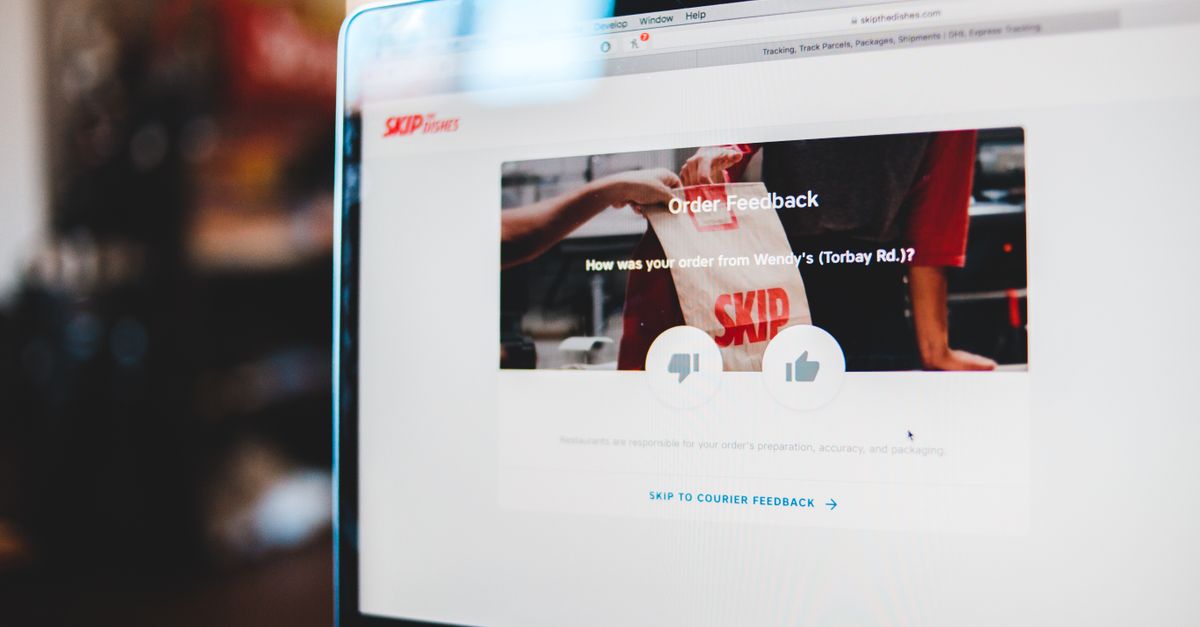
The modern customer starts their journey with a quick search online. If they find no reliable feedback, they move on. For businesses in Chandler, AZ, having a trustworthy consumer review website integrated into your marketing stack is not optional—it's essential. This article walks you through why local reviews matter, the common mistakes to avoid, and how to choose a directory that keeps your reputation strong.
1. Understanding the Role of a Consumer Review Website
A consumer review website aggregates user-generated feedback into one accessible platform. For a business, it serves three core functions: credibility building, SEO enhancement, and data collection for continuous improvement. Customers use reviews to gauge quality before making decisions; search engines treat high‑quality reviews as signals of relevance, boosting your local ranking.
When you publish in a dedicated directory, you also gain control over how information is presented—business hours, contact details, images, and even FAQ sections that can pre‑empt common customer questions. For instance, a boutique coffee shop might use the platform to highlight its seasonal menu items, display photos of latte art, and answer FAQs about brewing methods, giving potential patrons all the context they need before stepping inside.
What to Expect From a Good Review Platform
- Verified user accounts or clear verification process
- Easy rating scales (stars, thumbs up/down)
- Comment moderation tools
- Analytics dashboard showing sentiment trends
- Integration options with your website and CRM
2. Why Chandler Businesses Need Local Feedback
Chandler’s economy is driven by technology firms, healthcare providers, and hospitality services. In such a competitive market, local reputation can make or break a new venture. A consumer review website gives you visibility among residents who are more likely to patronize nearby businesses.
Moreover, the Arizona business climate favors transparency. Consumers in Chandler look for authenticity; a robust online presence signals that you’re invested in community trust.
If you’re not leveraging local reviews, you risk being eclipsed by competitors who already have a strong feedback loop. For example, a newly opened medical clinic might lose appointments to an established practice simply because the latter has a higher average rating and more recent positive testimonials on a trusted directory.
3. Common Pitfalls When Using Online Reviews
Many businesses fall into the same traps: ignoring negative feedback, over‑promoting positive reviews, or not integrating review data into operational decisions.
Another frequent mistake is relying on a single platform. While Yelp and Google are powerful, they can be unpredictable—algorithm changes, review suppression policies, and limited customization options often leave local businesses stranded.
Top Three Review‑Related Mistakes
- Failing to respond promptly (within 24 hours)
- Not tracking sentiment trends over time
- Ignoring the link between review volume and service quality improvements
To avoid these, set up automated alerts for new reviews and schedule regular strategy meetings to discuss actionable insights. A simple spreadsheet that tracks rating changes month‑over‑month can quickly reveal whether a recent staffing change or menu adjustment had the desired effect.
4. Key Features to Look For in a Directory
A high‑quality consumer review website should provide more than just ratings. It needs robust features that protect authenticity while giving you control over how your business is portrayed.
When evaluating providers, compare the following:
Essential Feature Checklist
- Business verification process (e.g., phone/email confirmation)
- User-friendly rating and comment interface
- Moderation tools to flag spam or defamation
- API access for data export and integration
- Mobile‑optimized design for on‑the‑go shoppers
- Analytics with sentiment analysis, review trends, and competitor benchmarking
- Support for multimedia reviews (photos, videos)
In my experience, directories that offer API access save countless hours of manual data handling. For example, a local HVAC company can pull daily review summaries into its CRM, allowing the service manager to see at a glance which technicians are receiving praise and which may need additional training.
5. How to Evaluate and Compare Providers
Once you’ve narrowed down a few candidates based on features, it’s time for a deeper comparison. Consider these metrics:
- Cost Structure: Monthly subscription vs. pay‑per‑review models.
- Customer Support Response Time: 24/7 help vs. business hours only.
- User Base Size: A larger audience means more potential reviewers, but also higher competition for visibility.
- Reputation Management Tools: Ability to flag or delete fake reviews.
- Reporting Depth: Dashboards that surface actionable insights rather than raw data.
Request demos and ask for case studies from businesses similar to yours in Chandler. Pay attention to how the platform handles local SEO—does it allow you to add location tags or optimize for “Chandler, AZ” search queries?
During a demo, test the ease of embedding review widgets on your own website. A seamless embed not only boosts credibility but also reduces friction for potential customers who want an instant snapshot of what others are saying.
6. Integrating Reviews Into Your Business Strategy
Collecting reviews is only the first step; turning them into competitive advantage requires systematic integration.
- Internal Feedback Loop: Use sentiment trends to refine product offerings or customer service protocols.
- Marketing Assets: Highlight top reviews in newsletters, social media posts, and website landing pages.
- Employee Recognition: Celebrate staff who consistently receive positive feedback; it boosts morale.
- Pricing Strategy: If high‑value customers rave about premium services, consider upselling or bundling options.
In my experience, businesses that actively showcase reviews in their marketing see a 12% lift in conversion rates within three months. A practical step is to create a “Customer Voices” page on your site where you curate the best testimonials and pair them with photos or videos, giving authenticity a visual dimension.
Another tactic is to incorporate review prompts into post‑purchase emails. A short link that directs customers to leave feedback can increase response rates by 15–20% compared to generic calls to action.
7. Maintaining Trustworthiness & Avoiding Fake Reviews
The credibility of a consumer review website hinges on authenticity. To preserve integrity:
- Implement strict verification for new reviewers.
- Use AI or manual moderation to detect spam patterns.
- Encourage users to upload photos or videos with their comments.
- Provide clear guidelines and penalties for defamation.
- Regularly audit review sources—if you notice a spike from a single IP, investigate.
When reviewers feel confident that their feedback is genuine, they are more likely to share honest experiences, creating a virtuous cycle of trust and growth. For businesses, this means less time spent chasing down false complaints and more resources devoted to improving service delivery.
Choosing the right consumer review website is an investment that pays dividends through enhanced reputation, improved SEO, and actionable customer insights. By avoiding common pitfalls and selecting a platform with robust features, you position your Chandler business to thrive in a digital-first marketplace.
What challenges have you faced when managing online reviews for your local business?